Overview
Purpose
The purpose of this website is to provide information about Formula 1 to people who recently have gotten into the sport. It will explain the point system of Formula 1, as well as provide information about the different racing teams and drivers. It will also discuss how a race weekend is organize and setup, as well as some important history behind iconic races.
Audience
Formula 1 is exciting, but can be a little overwhelming to newcomers. It is much more than who comes first at the end of the finish line. As such, the target audience will be peoople who are starting to watch Formula 1 but do not have a full understanding just yet.
Branding
Website Logo

Style Guide
Color Palette
Palette URL: https://coolors.co/3c1518-69140e-a44200-d58936-f2f3ae| Primary | Secondary | Accent 1 | Accent 2 | Accent 3 |
|---|---|---|---|---|
| #3C1518 | #69140E | #A44200 | #D58936 | #F2F3AE |
Typography
Heading Font: Kanit
Paragraph Font: Maven Pro
Normal paragraph example
Lorem ipsum dolor sit amet, consectetur adipiscing elit, sed do eiusmod tempor incididunt ut labore et dolore magna aliqua. Ut enim ad minim veniam, quis nostrud exercitation ullamco laboris nisi ut aliquip ex ea commodo consequat. Duis aute irure dolor in reprehenderit in voluptate velit esse cillum dolore eu fugiat nulla pariatur. Excepteur sint occaecat cupidatat non proident, sunt in culpa qui officia deserunt mollit anim id est laborum.
Colored paragraph example
Lorem ipsum dolor sit amet, consectetur adipiscing elit, sed do eiusmod tempor incididunt ut labore et dolore magna aliqua. Ut enim ad minim veniam, quis nostrud exercitation ullamco laboris nisi ut aliquip ex ea commodo consequat.
Navigation
Site Map
Content
Home page
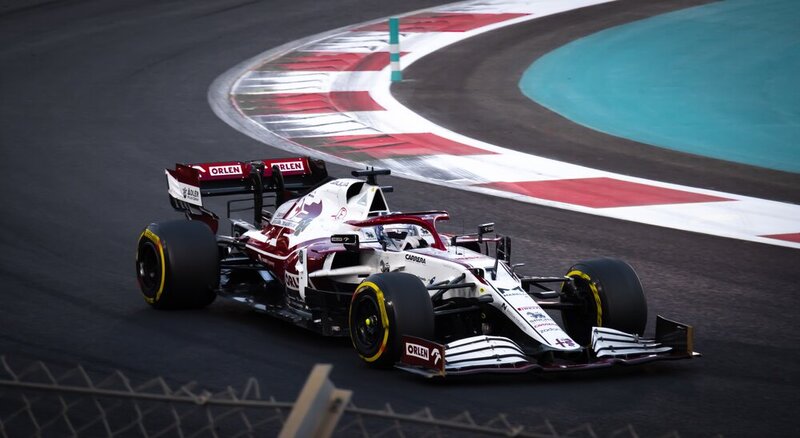
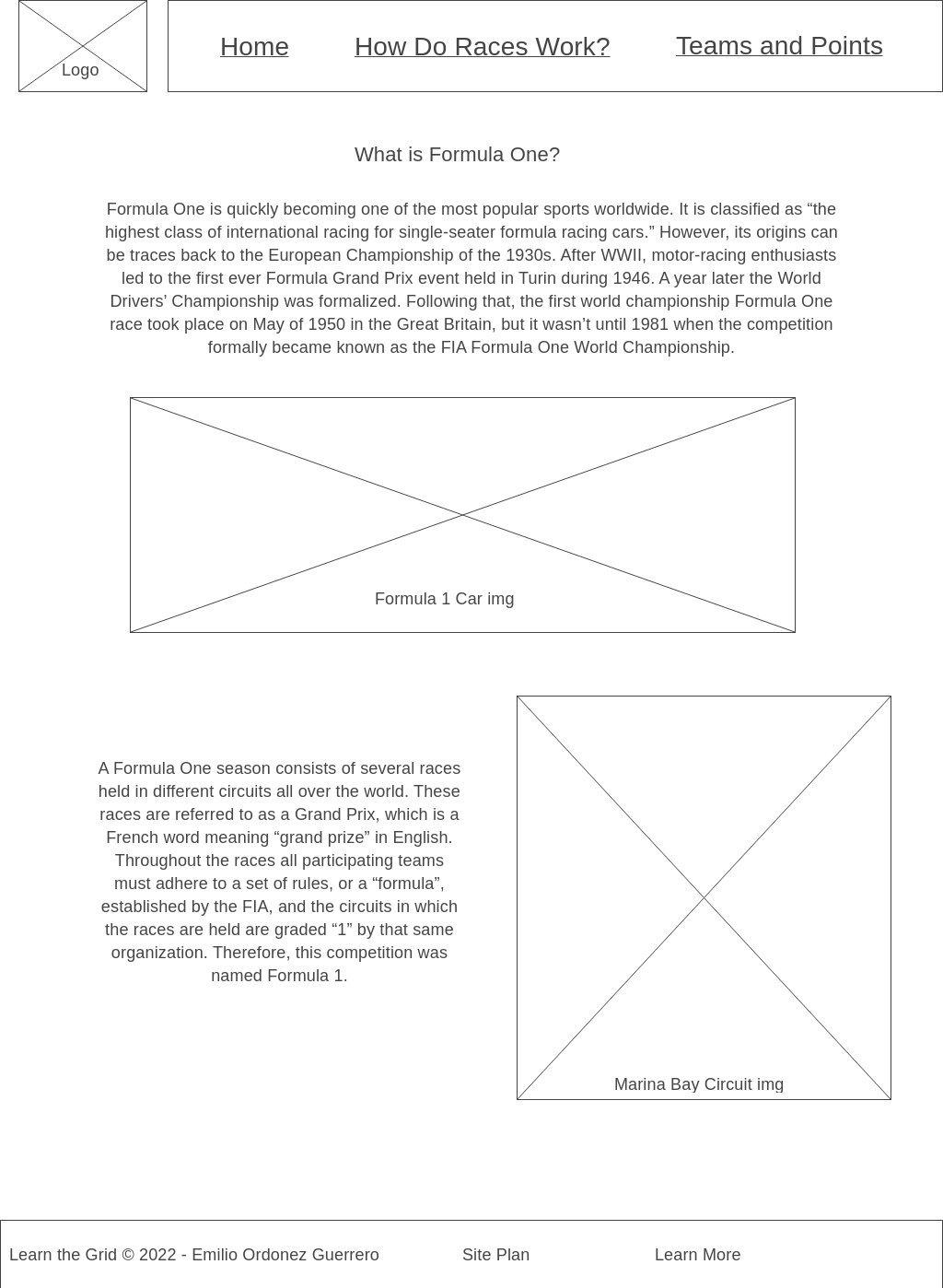
Formula One is quickly becoming one of the most popular sports worldwide. It is classified as “the highest class of international racing for single-seater formula racing cars.” However, its origins can be traces back to the European Championship of the 1930s. After WWII, motor-racing enthusiasts led to the first ever Formula Grand Prix event held in Turin during 1946. A year later the World Drives’ Championship was formalized. Following that, the first world championship Formula One race took place on May of 1950 in the Great Britain, but it wasn’t until 1981 when the competition formally became known as the FIA Formula One World Championship A Formula One season consists of several races held in different circuits all over the world. These races are referred to as a Grand Prix, which is a French word meaning “grand prize” in English. Throughout the races all participating teams must adhere to a set of rules, or a “formula”, established by the FIA, and the circuits in which the races are held are graded “1” by that same organization. Therefore, this competition was named Formula 1.
Images for the Home page
How do races work?
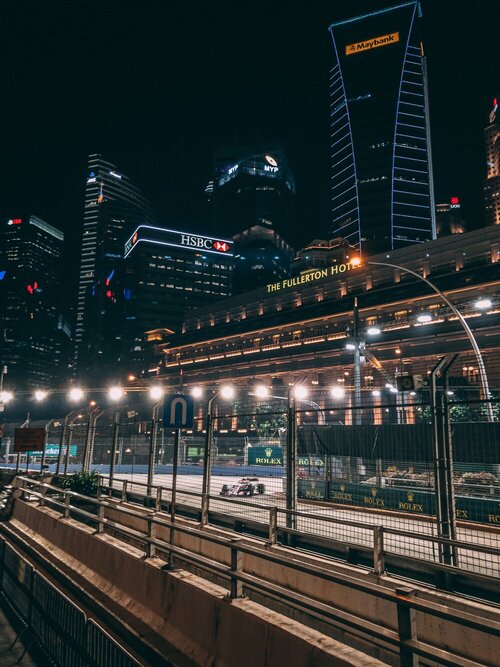
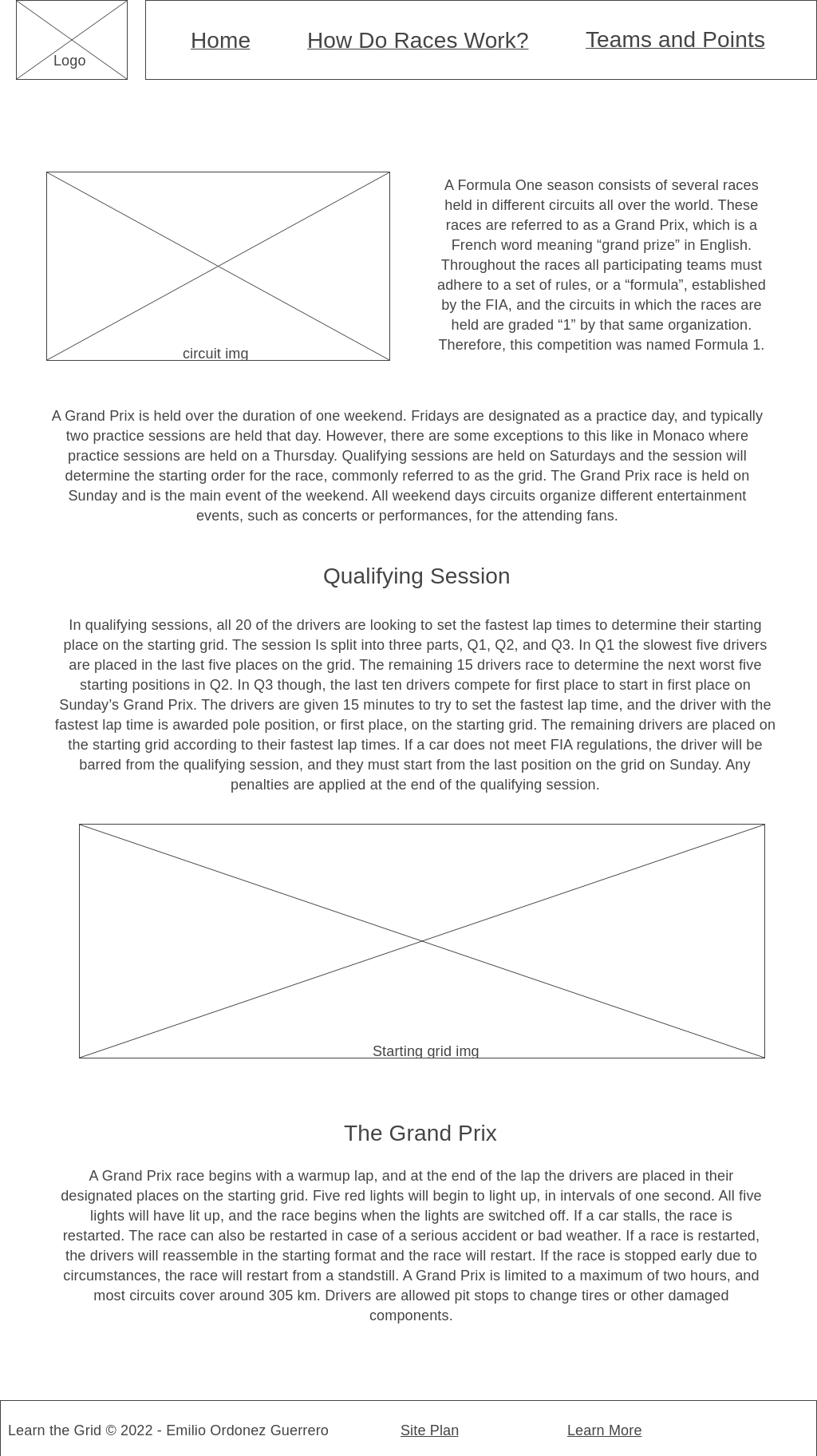
A Formula One season consists of several races held in different circuits all over the world. These races are referred to as a Grand Prix, which is a French word meaning “grand prize” in English. Throughout the races all participating teams must adhere to a set of rules, or a “formula”, established by the FIA, and the circuits in which the races are held are graded “1” by that same organization. Therefore, this competition was named Formula 1. A Grand Prix is held over the duration of one weekend. Fridays are designated as a practice day, and typically two practice sessions are held that day. However, there are some exceptions to this like in Monaco where practice sessions are held on a Thursday. Qualifying sessions are held on Saturdays and the session will determine the starting order for the race, commonly referred to as the grid. The Grand Prix race is held on Sunday and is the main event of the weekend. All weekend days circuits organize different entertainment events, such as concerts or performances, for the attending fans. In qualifying sessions, all 20 of the drivers are looking to set the fastest lap times to determine their starting place on the starting grid. The session Is split into three parts, Q1, Q2, and Q3. In Q1 the slowest five drivers are placed in the last five places on the grid. The remaining 15 drivers race to determine the next worst five starting positions in Q2. In Q3 though, the last ten drivers compete for first place to start in first place on Sunday’s Grand Prix. The drivers are given 15 minutes to try to set the fastest lap time, and the driver with the fastest lap time is awarded pole position, or first place, on the starting grid. The remaining drivers are placed on the starting grid according to their fastest lap times. If a car does not meet FIA regulations, the driver will be barred from the qualifying session, and they must start from the last position on the grid on Sunday. Any penalties are applied at the end of the qualifying session. A Grand Prix race begins with a warmup lap, and at the end of the lap the drivers are placed in their designated places on the starting grid. Five red lights will begin to light up, in intervals of one second. All five lights will have lit up, and the race begins when the lights are switched off. If a car stalls, the race is restarted. The race can also be restarted in case of a serious accident or bad weather. If a race is restarted, the drivers will reassemble in the starting format and the race will restart. If the race is stopped early due to circumstances, the race will restart from a standstill. A Grand Prix is limited to a maximum of two hours, and most circuits cover around 305 km. Drivers are allowed pit stops to change tires or other damaged components.
Images for the Page 2

Teams and Points
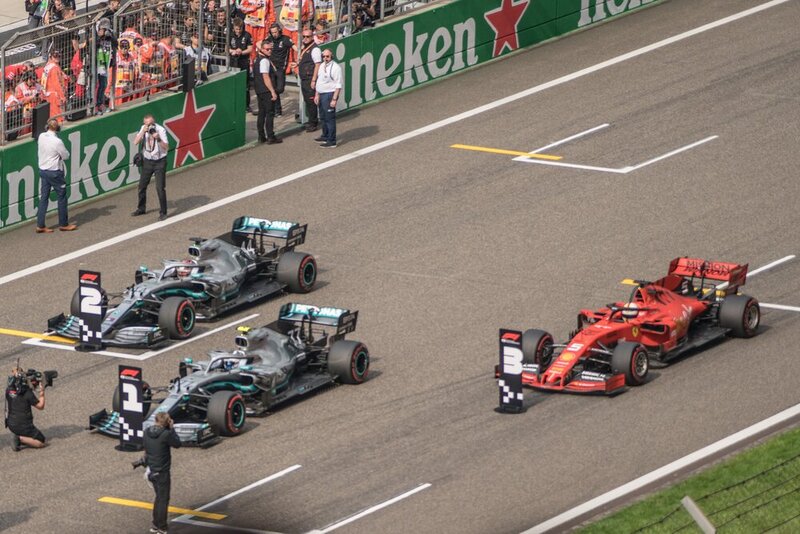
There are different colored flags that signal different events or circumstances to drivers during a session. A yellow flag symbolizes a hazard on track, a red flag means a session is suspended, and a green flag means the race can resume. A black flag signals a driver that they have been disqualified from the session. Many other colored flags exist but they are less crucial as the ones mentioned above. In the current point system, drivers must finish among the first ten to receive points. Those who finish outside the top ten are not awarded any points. There can be one exception though, the driver that set the fastest lap gets one point regardless of what place he finished in. 1st place gets 25 points, 2nd gets 18, 3rd gets 15, 4th gets 12, 5th gets 10, 6th gets 8, 7th gets 6, 8th gets 4, 9th gets 2, and 10th gets 1. The points scored by a driver are added at the end of the season, and the driver that has scored the most points is awarded the World Driver’s Championship. Racing teams, also referred to as constructors, can also be awarded points depending on the performance of their cars during the race. The constructor that aggregates maximum points will be crowned with the World Constructors’ Championship. Formula one teams, or constructors, have two starting drivers and a couple of reserve drivers. Each team has their own structure with employees in different areas such as engineering, manufacturing, and race strategy. The number of employees varies from constructor to constructor, but typically established teams employ around 1,200 people.
Images for the Page 3
Wireframes
Create three wireframes for your site. One for each page and list them here
Home
[Any additional details about home that the wireframe does not make clear]
How do Races Work?
[Any additional details about page 2 that the wireframe does not make clear]
Teams and Points
[Any additional details about page 3 that the wireframe does not make clear]